The Ultimate Guide to Climbing Gear Carabiners: Essential Information for Outdoor Adventurers
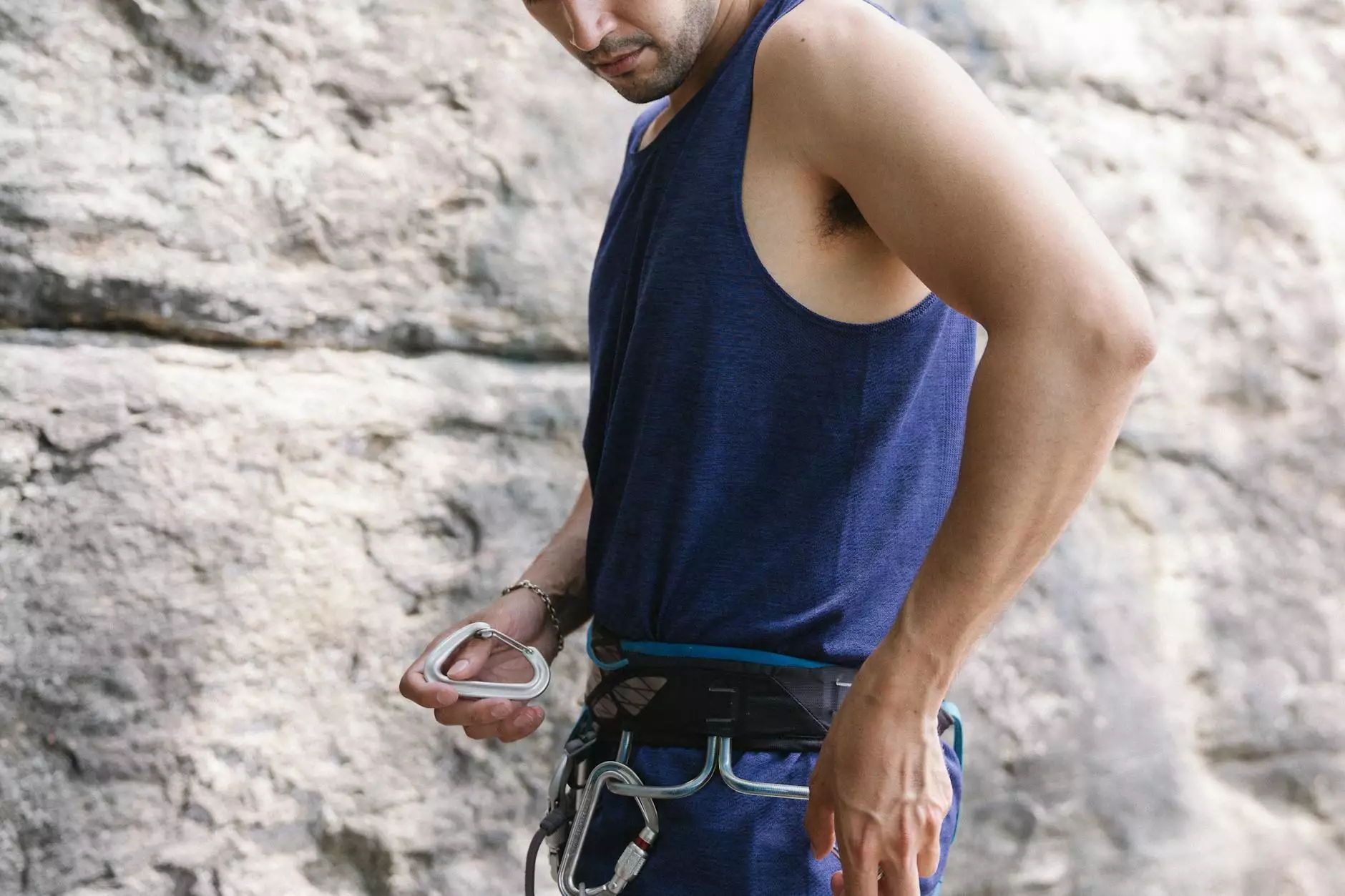
As the sun rises above majestic mountains and the thrill of adventure beckons, outdoor enthusiasts are always on the lookout for the best climbing gear. One such essential piece of equipment that serves as both a lifeline and a connector in the world of climbing is the carabiner. Whether you're scaling cliffs or setting up a camping site, understanding the intricacies of carabiners can elevate your climbing experience. This guide navigates through the nuances of climbing gear carabiners, ensuring you are well-equipped for your adventures.
Understanding the Role of Carabiners in Climbing
Carabiners are metal loops that feature a spring-loaded gate, enabling quick and secure attachment of ropes and other gear. But what exactly makes them indispensable in climbing and outdoor activities? Here’s a closer look at their capabilities:
- Safety: Carabiners are designed to withstand heavy loads, making them essential for securing climbing ropes and gear.
- Versatility: They can be used in various outdoor activities including rock climbing, mountaineering, bouldering, and even general outdoor recreation.
- Convenience: The spring mechanism allows for easy one-handed operation, which is critical when managing multiple tasks at once during outdoor expeditions.
Types of Climbing Gear Carabiners
Understanding the different types of climbing gear carabiners is crucial for choosing the right one for your needs. Here are the primary types you’ll encounter:
1. Locking Carabiners
Locking carabiners come with an additional mechanism that secures the gate, providing extra safety. They are typically used for belaying and anchoring. There are two main types:
- Screw-Lock: Requires manual twisting of the sleeve to lock the gate.
- Auto-Lock: Automatically locks by itself when closed, enhancing ease of use.
2. Non-Locking Carabiners
These are simpler and lighter, offering quick access. They are great for non-critical connections, such as when you are setting up anchors or organizing gear.
3. Oval Carabiners
The oval shape ensures even weight distribution and is often used for aid climbing.
4. D-Shaped Carabiners
These are the most common carabiner shape, optimized for strength and performance. The D shape ensures that the rope or load is aligned with the spine, enhancing strength.
5. Asymmetrical Carabiners
This type allows for the same usability as D-shaped carabiners but often weighs less, offering a great balance between strength and usability.
Key Features to Consider When Choosing a Climbing Gear Carabiner
When shopping for a climbing gear carabiner, several features deserve your attention:
- Material: Most carabiners are made from aluminum or steel. Aluminum is lighter and more common for climbing, while steel offers more durability for heavy-duty tasks.
- Gate Type: Consider if you want a locking mechanism for safety or a non-locking for expedience.
- Weight: Depending on your climbing style, you may prefer lighter carabiners, particularly for long ascents.
- Strength Ratings: Always check the kN rating (kilonewtons) of the carabiner to ensure it meets or exceeds your climbing requirements.
Using Climbing Gear Carabiners Properly
Understanding how to use carabiners is equally important as knowing the types. Here are some best practices for effective usage:
1. Proper Attachment
Always ensure that the carabiner is properly closed before putting any weight on it. A half-open carabiner can lead to serious accidents.
2. Avoid Crossloading
Crossloading occurs when a load is applied to the side of the carabiner instead of its spine. This can compromise the strength of the carabiner significantly.
3. Regular Inspection
Make it a habit to check your carabiners regularly for any signs of wear or damage. This includes bending, cracking, or any irregular shapes that could weaken them.
Maintaining Your Climbing Gear Carabiner
Effective maintenance of your climbing gear carabiners prolongs their life and ensures safety in the field. Here’s how to maintain them:
- Cleaning: Regularly clean your carabiners with warm water and mild soap to remove dirt and debris. Avoid using chemical solvents which might damage the material.
- Drying Properly: Ensure that your carabiners are completely dry before storage to prevent rust, especially if they are made from steel.
- Storage: Store carabiners in a cool, dry place away from direct sunlight to avoid UV damage.
Choosing the Right Climbing Gear Carabiner from Samhe
At samhe.com, we understand the needs of outdoor enthusiasts and climbers. Our collection of climbing gear carabiners is tailored to meet every climber's requirement:
- High-Performance Locking Options for safety during challenging climbs.
- Lightweight Non-Locking Carabiners for the minimalist climber.
- Durable Materials ensuring that our carabiners withstand rugged usage.
By choosing carabiners from Samhe, you're not just purchasing a product; you're investing in quality and safety for your climbing adventures.
Conclusion: The Importance of Climbing Gear Carabiners
In any climbing gear setup, climbing gear carabiners stand out as essential components. Their role in ensuring safety, versatility in use, and convenience cannot be overstated. By selecting the right type of carabiner, understanding its features, and maintaining it properly, you can significantly enhance your climbing experience.
Remember, whether you are a seasoned climber or a beginner, making informed choices about your gear is paramount for a safe and enjoyable outdoor adventure. Explore our range at samhe.com today and ensure you are equipped with the best climbing gear carabiners available.