Understanding Timber Wood Prices: A Comprehensive Guide
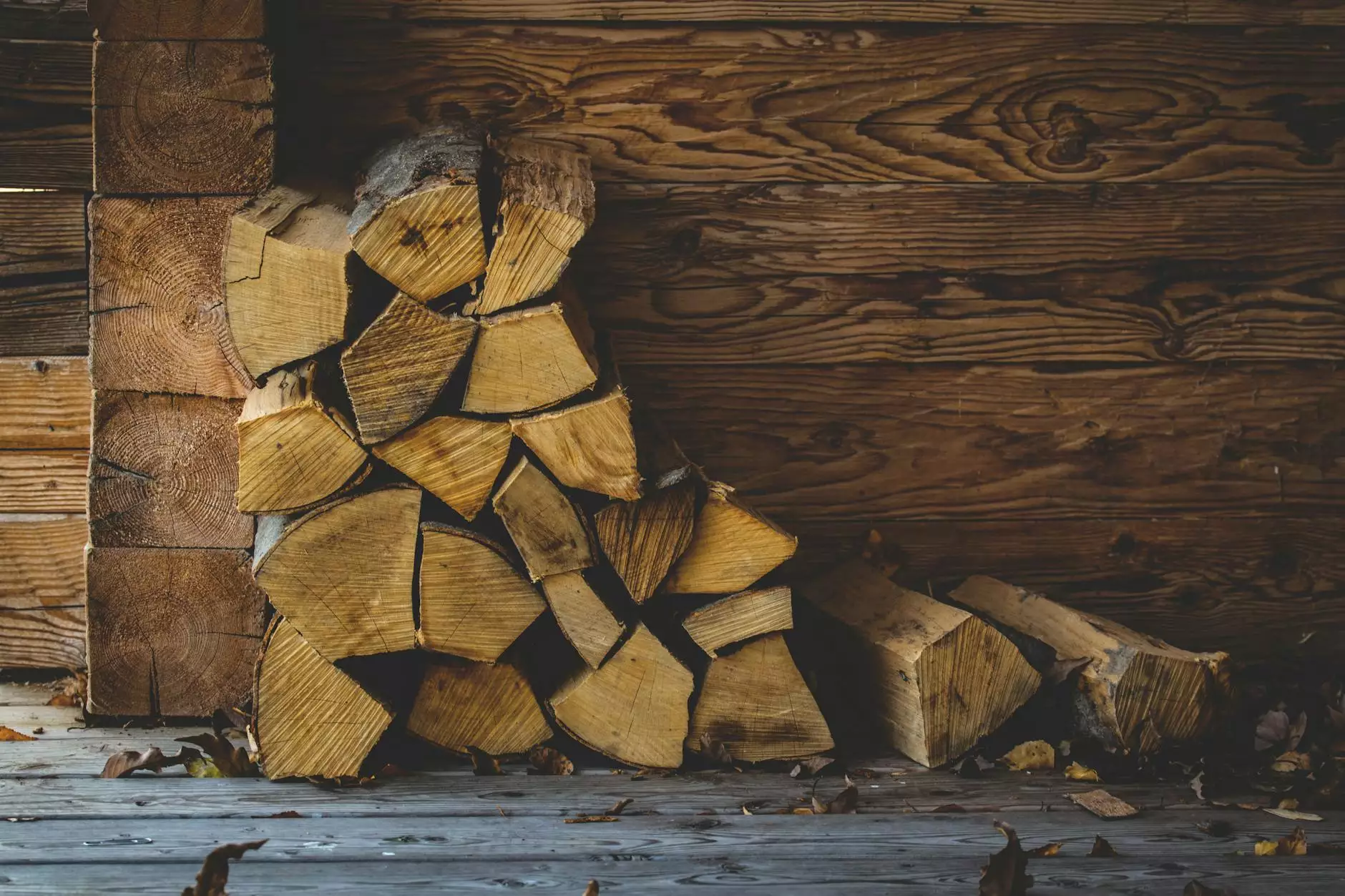
The world of timber wood prices is vast, intricate, and holds significant importance for various industries and consumers alike. As building materials, timber products are used in multiple applications, from residential construction to fine furniture making. In this article, we will explore the many aspects of timber wood prices, how they are determined, and what influences these prices in the market.
1. What Influences Timber Wood Prices?
Understanding what drives timber wood prices is essential for anyone involved in the market—be it a timber merchant, wood supplier, or an end consumer. Numerous factors contribute to the fluctuation of timber prices, including:
- Supply and Demand: The most fundamental economic principle that influences prices. Higher demand for timber products often results in increased prices.
- Wood Species: Different types of wood, such as oak, pine, or cedar, have varying market values due to their distinct properties and aesthetics. For instance, exotic hardwoods tend to command higher prices.
- Quality and Grade: Timber products are graded based on their quality. Higher grades, which are free of defects, can sell for significantly more.
- Geographical Factors: Availability of timber in different regions affects transportation costs and local pricing dynamics.
- Economic Conditions: Overall economic health impacts construction and renovation projects, thus influencing demand and prices.
2. The Role of Timber Merchants and Wood Suppliers
Timber merchants and wood suppliers are pivotal in the timber industry. They connect timber producers with consumers and offer a range of timber products. Here’s how these entities influence timber wood prices:
2.1 Timber Merchants
Timber merchants typically act as intermediaries, purchasing wood from suppliers and selling it to builders, contractors, and retail stores. They often have extensive industry knowledge that allows them to:
- Negotiate Better Prices: Merchants with long-standing relationships with suppliers can secure better rates.
- Provide Market Insights: They have their fingers on the pulse of current pricing trends and can offer guidance on timing purchases.
- Manage Inventory: By keeping track of stock levels, merchants can adjust prices based on supply shortages or surpluses.
2.2 Wood Suppliers
Wood suppliers are often the source of the timber before it reaches the market. Their practices also affect timber wood prices. Key aspects include:
- Sourcing Methods: Sustainable sourcing practices can lead to higher costs, as environmentally friendly timber is increasingly sought after.
- Production Levels: Suppliers that can keep production high while maintaining quality can influence prices positively.
- Logistics and Delivery: Costs associated with transporting timber from forests to mills and ultimately to buyers can affect the overall price.
3. Overview of Timber Products and Their Implications on Pricing
The category of timber products is extensive, and included in it are various wood types and applications that lead to diverse pricing structures. Here are some common timber products and factors affecting their prices:
3.1 Dimensional Lumber
Dimensional lumber is produced in standard sizes for construction use and includes:
- 2x4s, 2x6s, 2x8s: Typically used for framing.
- Plywood: Engineered wood sheet commonly used for flooring and wall sheathing.
- OSB (Oriented Strand Board): Often used as an alternative to plywood.
The prices of dimensional lumber can vary significantly based on species, quality, and current demand in the housing market.
3.2 Hardwood vs. Softwood
The distinction between hardwoods and softwoods plays a crucial role in timber wood prices:
- Hardwoods: Generally more expensive due to their density, durability, and aesthetic appeal. Common varieties include oak, cherry, and maple.
- Softwoods: Usually less expensive and faster to grow. Common types include pine, fir, and spruce, which are widely used in construction.
3.3 Specialty Timber Products
Beyond the basics, specialty timber products cater to niche markets and can command premium prices. These include:
- Decking Materials: Such as composite and treated woods that resist weathering.
- Exotic Woods: Like teak and mahogany, which are often used in luxury furniture and flooring.
- Engineered Wood: Products like laminated beams and veneer panels have become popular for their structural integrity and cost efficiency.
4. Current Trends Affecting Timber Wood Prices
In recent years, several trends have emerged that affect timber wood prices:
4.1 Sustainability in Sourcing
As environmental awareness increases, consumers are more likely to seek sustainably sourced timber. This demand can drive up prices as certified products often come at a premium.
4.2 Housing Market Dynamics
The fluctuations in the housing market, particularly in new construction projects, have a direct impact on timber prices. When demand for new homes rises, so too does the demand for timber, consequently increasing prices.
4.3 Global Trade Policies and Tariffs
Changes in trade agreements and tariffs can also significantly affect the cost of timber. For instance, tariffs on imported wood products may lead to increased costs for consumers and builders, driving domestic prices higher.
5. How to Find the Best Timber Wood Prices
For those in the market for timber products, finding the best prices can be a strategic process. Here are some tips:
- Research Online: Websites like vptimbertradingsia.com provide insights into current market prices and inventory.
- Request Quotes: Contact multiple timber merchants and suppliers to get a range of quotes for similar products.
- Monitor Price Trends: Regularly check timber price trends online to understand when it might be best to purchase.
- Bulk Buying: If feasible, consider bulk purchasing to take advantage of discounts and lower per-unit prices.
6. Conclusion
In the dynamic world of timber wood prices, staying informed can be advantageous for consumers, businesses, and professionals in the industry. By understanding the influences that drive these prices, as well as the diverse range of timber products available, participants in the timber market can make more informed decisions that meet their needs. Whether you’re looking to purchase lumber for construction, a unique piece of furniture, or simply wish to educate yourself on the market, knowledge of the factors influencing timber prices is invaluable.
Stay connected with us at VP Timber Trading SIA for more insights and up-to-date information on timber wood pricing and the timber industry. Your informed decision starts here!