Understanding Counterfeit Currency in Australia: Risks and Solutions
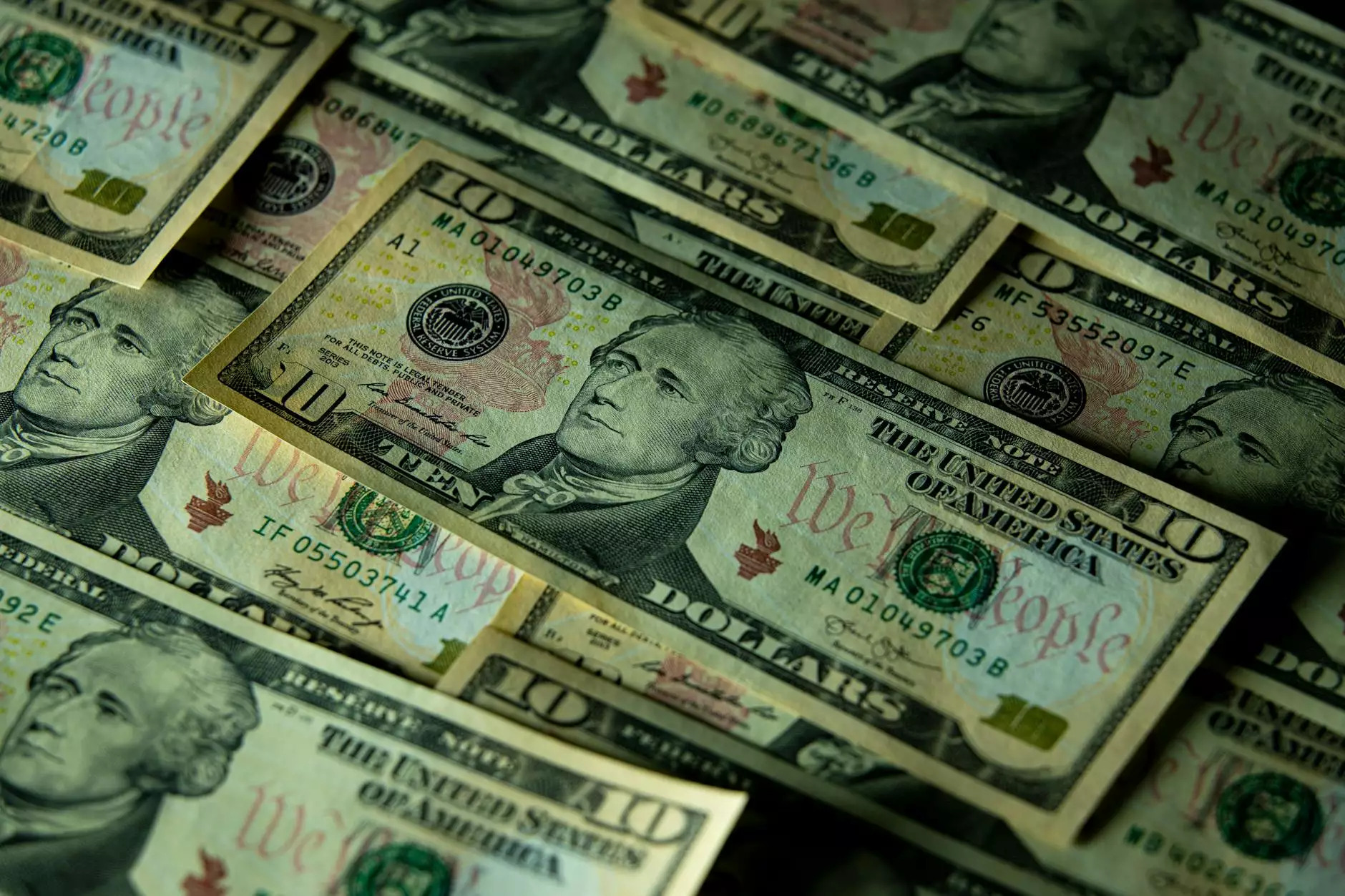
The Growing Concern of Counterfeit Currency
In recent years, the issue of counterfeit currency in Australia has become an increasingly pressing concern for businesses, consumers, and law enforcement agencies alike. The production of fake notes not only impacts economic stability but also endangers the reputation of legitimate businesses. This article will delve deep into understanding counterfeit currency, its detection methods, effects on the economy, and strategies for prevention.
What is Counterfeit Currency?
Counterfeit currency refers to fake money produced with the intent to deceive and defraud individuals and businesses. These replicas are designed to look and feel like real currency, but they are not backed by any governmental authority. The most commonly counterfeited currency across the globe includes banknotes from major economies:
- Australian Dollar (AUD)
- US Dollar (USD)
- Euro (EUR)
- Pound Sterling (GBP)
The Impact of Counterfeit Currency on Australian Businesses
When counterfeit currency in Australia circulates, it poses a significant threat to the economy and the integrity of businesses. Here are some of the major impacts:
Financial Loss
Businesses that unknowingly accept counterfeit notes suffer direct financial losses. The Australian Federal Police (AFP) reports that merchants may end up losing hundreds to thousands of dollars annually due to counterfeiting.
Reputation Damage
Accepting counterfeit notes can damage a business's reputation. Customers may lose trust in businesses that fail to safeguard against fake currency. This can result in a decline in customer loyalty and a decrease in sales.
Increased Operational Costs
Detecting counterfeit notes requires training and resources. Businesses must invest in money-detecting machines and staff training to mitigate the risks associated with accepting counterfeit currency.
How Businesses Can Detect Counterfeit Currency
Modern Currency Features
Australian banknotes are designed with numerous security features that make counterfeiting difficult. Here are some key features to look for:
- Transparent Window: Authentic Australian notes contain a see-through window that is difficult to replicate.
- Security Print: This feature includes text that changes color when viewed from different angles.
- Microprint: Small text that is hard to replicate and can be seen with a magnifying glass.
- Color-Shifting Ink: Certain areas of the banknote change color when tilted.
Manual Detection Techniques
Staff training is crucial in teaching employees how to inspect notes effectively. Simple techniques include:
- Feel: Real banknotes have a distinct texture.
- Look: Check for irregularities in printing and colors.
- Tilt: Observe the color-shifting features to confirm authenticity.
Legislation and Counterfeit Currency in Australia
The Australian government, through the Reserve Bank of Australia (RBA), has implemented strict regulations and measures to combat counterfeit currency. These include:
- The establishment of high-security printing facilities.
- Regular updates to banknote designs to incorporate new security features.
- Collaboration with law enforcement agencies to apprehend counterfeiters.
- Public awareness campaigns to educate citizens on how to detect counterfeit notes.
Preventive Measures for Businesses
Preventing counterfeit currency from affecting your business involves a multi-faceted approach:
Invest in Technology
Investing in currency detection technology such as ultraviolet (UV) light machines, magnifying glasses, and counterfeit detection pens can greatly reduce the risk of accepting fake notes.
Train Employees
Regular training sessions for employees on the latest counterfeit detection techniques are essential. Keeping staff informed about new counterfeiting methods and updated banknote designs helps in maintaining vigilance.
Enhance Customer Awareness
Engage with customers by providing information about counterfeit notes. This can include informative signs at the counter or distribution of pamphlets detailing how customers can help spot fake currency.
Case Studies of Counterfeit Currency Impacts
Real-Life Examples
Understanding the tangible impacts of counterfeit currency can be illustrated through case studies:
The Cafe Incident
A popular cafe in Melbourne accepted a counterfeit $50 bill. As a result, they lost $50, but the reputational damage was far greater. The cafe's owner reported a 20% decline in frequent customers who lost trust in their ability to provide a secure paying environment.
The Retail Store Dilemma
A retail store in Sydney was unknowingly accepting counterfeit notes from customers. Once the fraud was discovered, the owner faced financial losses and had to close for several days to retrain staff and implement new counterfeit detection measures.
Conclusion: Combating Counterfeit Currency in Australia
In conclusion, counterfeit currency in Australia presents a serious challenge to businesses and consumers alike. By understanding the risks, implementing effective detection strategies, and investing in technology and training, businesses can safeguard themselves against the financial and reputational damage of accepting counterfeit notes. With ongoing education and cooperation from the government and law enforcement, the proliferation of counterfeit currency can be significantly reduced.
For more information on safeguarding your business from counterfeit currency, visit elitbills.com.
counterfeit currency australian