Understanding the Vital Role of Bulk Fuel Transport Pumps in the Diesel Engine Industry
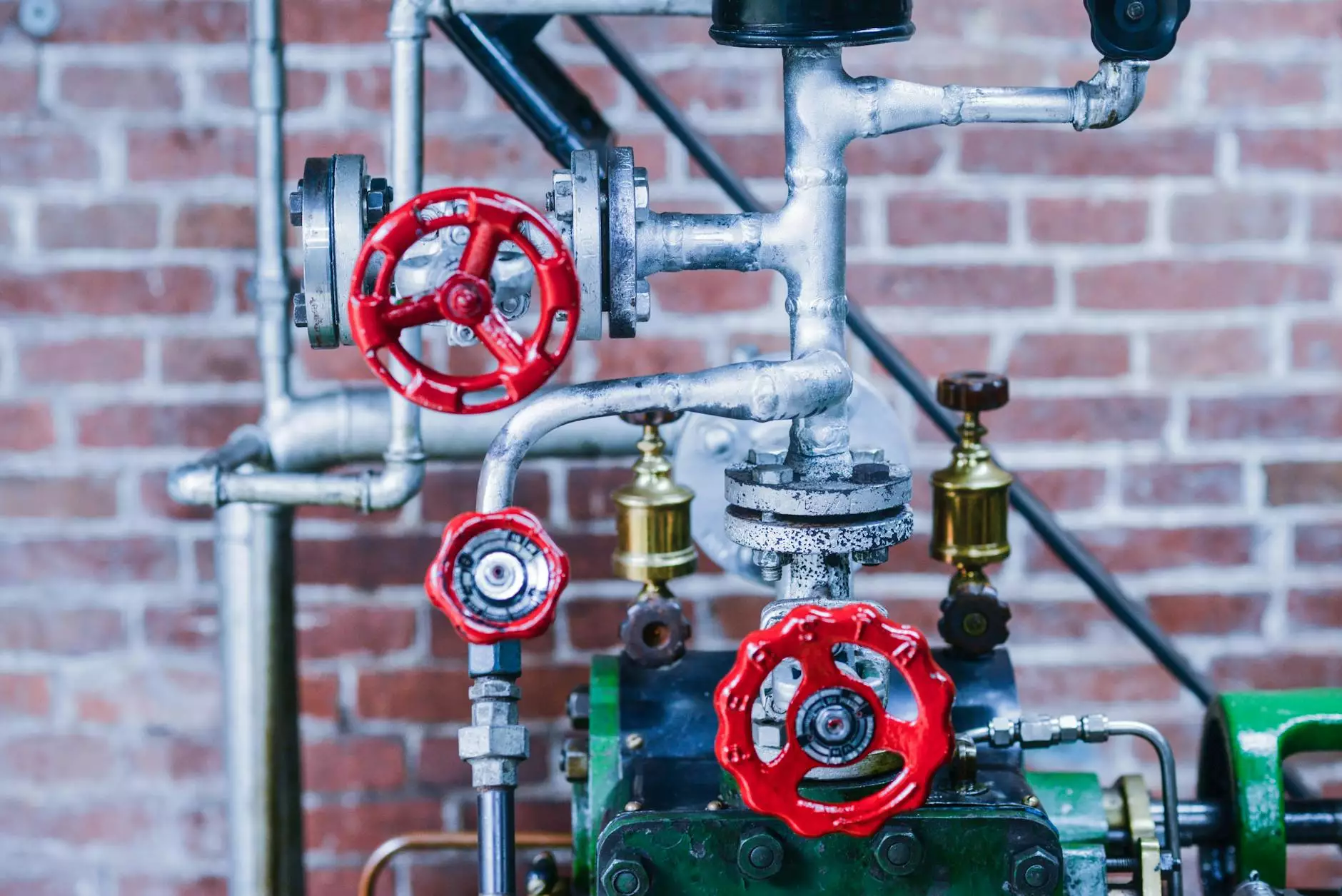
In the vast ecosystem of the diesel engine industry, bulk fuel transport pumps emerge as pivotal components that ensure the efficient and reliable movement of fuel from storage tanks to engines and machinery. As the backbone of fuel transfer systems, these pumps are integral to the operation of fuel logistics, maintenance, and the overall performance of diesel-powered equipment. This comprehensive guide delves deep into the significance of bulk fuel transport pumps, their types, technological advancements, and the critical factors to consider when sourcing them from top spare parts suppliers like client-diesel.com.
What Are Bulk Fuel Transport Pumps?
Bulk fuel transport pumps are specialized devices designed to transfer large volumes of diesel and other liquid fuels efficiently, safely, and with minimal downtime. They serve as the backbone of fuel distribution systems, facilitating the movement of fuel from storage tanks—whether in refineries, fuel depots, or construction sites—to engines, vehicles, or other machinery requiring fuel supply.
The Significance of Bulk Fuel Transport Pumps in Diesel Engine Operations
In the context of diesel engine parts and their operation, the effectiveness of fuel delivery systems directly impacts engine efficiency, longevity, and environmental compliance. Here’s why targeting the right bulk fuel transport pump is crucial:
- Enhanced Efficiency: Precise and consistent fuel flow ensures optimal combustion, resulting in improved engine performance and fuel economy.
- Safety and Security: High-quality pumps reduce the risk of leaks, spills, and accidental fires, safeguarding personnel and assets.
- Operational Reliability: Durable and well-maintained pumps minimize downtime, ensuring continuous power supply especially in critical industrial and transportation sectors.
- Environmental Compliance: Efficient fuel transfer reduces emissions and contamination, aligning operations with environmental standards.
Types of Bulk Fuel Transport Pumps
Understanding the various types of bulk fuel transport pumps is essential for selecting the most suitable solution for specific applications. The primary types include:
1. Gear Pumps
Gear pumps operate using intermeshing gears to move fuel through the pump. They are known for their robustness and ability to handle high-viscosity fuels, making them suitable for large-volume fuel transfer operations. Their simple design also facilitates easy maintenance.
2. Diaphragm Pumps
Diaphragm pumps utilize a reciprocating diaphragm to transfer fuel. They offer excellent chemical resistance and are ideal for transferring fuels that require contamination-free handling. Their leak-free operation makes them a reliable choice for sensitive fuel handling systems.
3. Centrifugal Pumps
Centrifugal pumps use high-speed impellers to accelerate fuel flow through centrifugal force. They are preferred for high-flow, low-viscosity fuel applications, providing efficient transfer with relatively low maintenance requirements.
4. Peristaltic Pumps
Peristaltic pumps employ a flexible tube mechanism for fuel transfer, minimizing contamination and providing precise flow control. They are especially advantageous in applications where fuel purity is critical.
Technological Innovations in Bulk Fuel Transport Pumps
The field of fuel transfer technology has seen significant advancements, aiming to improve efficiency, safety, and environmental compliance:
- Automation and Remote Monitoring: Modern pumps incorporate IoT sensors for real-time status updates, predictive maintenance, and centralized control systems.
- Corrosion-Resistant Materials: Use of advanced alloys and composites prolongs pump lifespan, especially when handling corrosive or contaminated fuels.
- Energy-Efficient Designs: Variable-speed drives and optimized motor controls reduce power consumption and operational costs.
- Enhanced Safety Features: Overpressure protection, leak detection systems, and emergency shut-offs ensure safe fuel handling.
Key Factors in Selecting the Right Bulk Fuel Transport Pump
Choosing the appropriate pump involves considering multiple technical and operational factors to ensure seamless integration into your fuel logistics system:
- Flow Rate Requirements: Determine the volume of fuel that needs to be transferred within a specific timeframe.
- Fuel Viscosity and Composition: Different fuels may require pumps designed to handle high or low viscosities and chemical compositions.
- Operational Environment: Consider temperature ranges, exposure to environmental elements, and installation space constraints.
- Compatibility with Existing Infrastructure: Ensure the pump integrates smoothly with existing piping, tanks, and control systems.
- Regulatory Standards: Comply with local and international safety and environmental regulations when selecting and operating pumps.
Top Suppliers of Bulk Fuel Transport Pumps at Client Diesel
Leading businesses like Client Diesel supply high-quality bulk fuel transport pumps that meet strict industry standards. Their product offerings are designed to cater to various sectors, including:
- Diesel engine manufacturing
- Fuel depots and storage facilities
- Construction and heavy machinery
- Transport and logistics companies
- Agricultural machinery and equipment
They focus on providing durable, efficient, and environmentally compliant pumps tailored to your operational needs. Their extensive product range, technical support, and reliable after-sales service make them a trusted partner for all your fuel transfer requirements.
Importance of Quality in Bulk Fuel Transport Pumps
Investing in top-tier bulk fuel transport pumps is fundamental to the successful operation of your diesel engine parts and machinery. High-quality pumps deliver:
- Longevity: Reduced maintenance costs and longer service life.
- Operational Safety: Minimized risk of leaks, spills, and operational failures.
- Regulatory Compliance: Adherence to safety, emission, and environmental protocols.
- Cost-Effectiveness: Improved fuel efficiency and reduced downtime.
Thus, always prioritize quality and supplier credibility when sourcing bulk fuel transport pumps
Installation, Maintenance, and Best Practices for Bulk Fuel Transport Pumps
Proper installation and routine maintenance are crucial to maximizing the lifespan and performance of your fuel transfer systems:
- Professional Installation: Engage qualified technicians familiar with fuel systems to ensure correct setup.
- Regular Inspection: Check for signs of wear, corrosion, or leaks regularly.
- Routine Maintenance: Follow manufacturer guidelines for lubrication, part replacement, and calibration.
- Safety Protocols: Implement safety measures such as emergency shutoff systems and spill containment.
- Staff Training: Educate personnel on proper operation and safety procedures to prevent mishaps.
Conclusion: The Future of Bulk Fuel Transport Pumps in the Diesel Industry
The evolving landscape of the diesel engine industry continues to drive innovations in bulk fuel transport pumps. From integrated IoT solutions to sustainable, energy-efficient designs, the future promises enhanced safety, environmental stewardship, and operational excellence. Suppliers like Client Diesel remain at the forefront, providing industry-leading products that meet the demanding needs of modern fuel logistics.
By understanding the critical role of bulk fuel transport pumps and selecting the right solutions, companies can optimize their fuel transfer processes, improve safety standards, and achieve long-term operational success across all sectors relying on diesel power.
Invest in high-quality bulk fuel transport pumps today to secure the efficiency, safety, and sustainability of your diesel operations tomorrow.


