Understanding and Leveraging Air Cargo Rates to Elevate Your Business
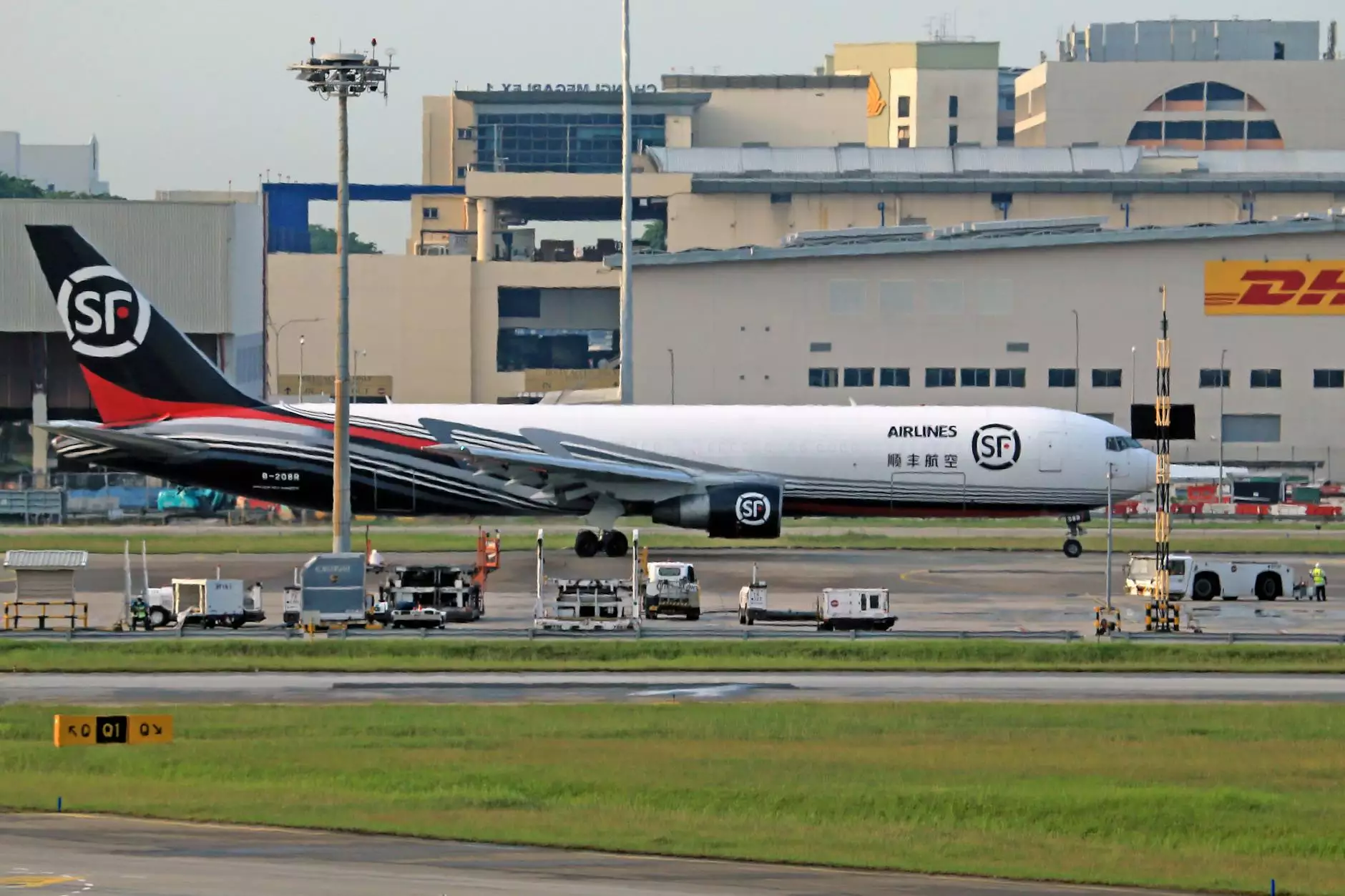
In the dynamic world of global trade, air cargo rates play a pivotal role in determining the efficiency, cost-effectiveness, and competitiveness of your logistics operations. Whether you are a seasoned logistics provider, a manufacturing giant, or a small business owner expanding into international markets, comprehending the nuances of air cargo rates can empower you to make strategic decisions that enhance your supply chain performance. This comprehensive guide explores every facet of air cargo rates, delving into how they influence your shipping costs, the factors that determine these rates, and practical ways to optimize your freight expenses through business partnerships, technology, and a thorough understanding of transportation networks, airports, and shipping centers.
What Are Air Cargo Rates and Why Do They Matter?
Air cargo rates refer to the pricing structure applied by airlines and freight forwarders for transporting goods via air freight. These rates are typically calculated based on weight, volume, type of cargo, and the distance traveled. Understanding these rates is crucial because they directly impact your overall logistics costs, profit margins, and ability to meet customer demands efficiently.
The Importance of Accurate Air Cargo Rate Assessment in Business
- Cost Control: Precise understanding of air cargo rates enables businesses to forecast transportation budgets accurately and avoid unexpected expenses.
- Pricing Strategies: Competitive pricing relies heavily on the knowledge of freight costs, thus allowing firms to set prices that attract customers while maintaining profitability.
- Supply Chain Optimization: Minimizing freight costs through rate negotiations and choosing the most suitable freight options improves overall supply chain strength.
- Customer Satisfaction: Reliable and affordable air shipping options ensure timely deliveries, boosting customer trust and brand reputation.
Factors Influencing Air Cargo Rates: An In-Depth Analysis
The complexity of air cargo rates stems from numerous factors that vary regularly. Understanding these factors can give your business an edge in negotiations and planning.
1. Weight and Volume of Cargo
Airlines typically charge based on either gross weight or volumetric weight, depending on which is higher. The volumetric weight is calculated considering the dimensions of the cargo, making it essential for businesses to optimize packaging.
2. Distance and Route
Longer distances generally entail higher air cargo rates, especially when routes pass through high-demand airports or involve complex transit points.
3. Type of Cargo
Hazardous materials or sensitive goods often attract higher rates due to special handling, safety regulations, and compliance requirements.
4. Fuel Prices
Airline fuel costs are a significant variable, often influencing fluctuations in air cargo rates. Volatile fuel markets can cause rate spikes or reductions.
5. Seasonality and Market Demand
Peak seasons such as holidays or specific industry cycles can elevate air cargo rates due to increased demand and limited capacity.
6. Airport Congestion and Infrastructure
Major hubs with high congestion levels may impose additional fees, or capacity constraints can raise rates temporarily.
Optimizing Business Operations: Strategies to Reduce Air Cargo Rates
Proper planning and strategic partnerships can significantly lower your air cargo rates, improving your bottom line.
1. Negotiate Freight Contracts
Building long-term relationships with trusted freight forwarders and carriers allows you to negotiate tailored rates that reflect your volume commitments and specific needs.
2. Consolidate Shipments
Grouping smaller shipments into consolidated freight reduces costs by spreading fixed fees across larger loads, thereby lowering air cargo rates per unit.
3. Choose Optimal Routing and Airports
Selecting less congested, efficient airports often results in lower handling fees and faster transit times, thus reducing overall costs.
4. Invest in Technology and Real-Time Tracking
Utilizing advanced freight management systems can help monitor air cargo rates dynamically and choose the most cost-effective options regularly.
5. Stay Informed on Market Trends
Being aware of fuel price fluctuations, regulatory changes, and seasonal trends allows proactive planning and cost avoidance.
The Role of Shipping Centers in Managing Air Cargo Costs
Shipping centers serve as pivotal hubs in the freight network, providing facilities for consolidating, warehousing, and dispatching cargo efficiently. Properly located, equipped, and managed shipping centers can significantly influence air cargo rates by streamlining operations.
Advantages of strategic shipping centers include:
- Reduced transit times, leading to lower handling costs
- Flexible storage options to optimize logistics workflows
- Enhanced customs clearance processes, reducing delays and fees
- Cost-effective consolidation opportunities
The Critical Role of Transportation and Airports in Shaping Air Cargo Costs
Transportation logistics and airport infrastructure are directly linked to air cargo rates. Efficient transportation networks and well-connected airports facilitate faster, cheaper freight movements.
Transportation Networks
Reliable road and rail systems connect airports to regional and international markets, allowing for seamless freight transfers with minimal delay and cost. Investing in multimodal transportation options can provide significant savings over traditional air-only routes.
Airport Infrastructure
Modern airports equipped with state-of-the-art cargo handling facilities, customs clearance, and security procedures streamline freight processing, enabling faster turnarounds and reducing costs associated with delays.
The Future of Air Cargo Rates: Trends and Innovations
Emerging trends and technological advancements are transforming the landscape of air cargo logistics, offering new opportunities to optimize air cargo rates.
1. Digitalization and Data Analytics
Real-time data analysis helps predict rate fluctuations, optimize routes, and facilitate better negotiations.
2. Sustainable Aviation Fuel and Eco-friendly Practices
Reducing fuel consumption impacts air cargo rates by stabilizing costs and appealing to environmentally conscious clients.
3. Automation in Cargo Handling
Robotics and automated systems improve efficiency and reduce labor costs at airports and shipping centers.
4. Blockchain and Smart Contracts
Enhanced security, transparency, and efficiency in transactions foster trust and potentially lower transaction and handling fees.
Partnering with Industry Leaders: Why CargoBooking.aero Stands Out
In the realm of air cargo rates, collaboration with experienced freight booking platforms like cargobooking.aero offers unparalleled advantages:
- Extensive Network: Access to a broad array of shipping centers, airlines, and transportation options worldwide.
- Competitive Pricing: Leverage aggregated data to find optimal air cargo rates tailored to your budget.
- Advanced Technology: Seamless booking, dynamic rate comparison, and real-time tracking tools enhance operational efficiency.
- Expert Support: Dedicated customer service ensures your logistics challenges are promptly addressed.
Conclusion: Embracing the Future with Strategic Knowledge of Air Cargo Rates
Understanding air cargo rates comprehensively allows businesses to optimize their logistics, lower costs, and remain competitive in an increasingly globalized marketplace. By analyzing key factors influencing rates, leveraging technology, partnering with reliable providers like cargobooking.aero, and making informed choices regarding shipping centers and airports, your business can unlock new efficiencies and growth opportunities.
Remember, adaptability, strategic planning, and staying abreast of market trends are essential to thriving in the fast-evolving world of air freight logistics. With the right knowledge and tools, your business can not only navigate the complexities of air cargo rates but also turn them into a strategic advantage for sustained success.
air cargo rates