In-Depth Comparison of Ceramic Crown vs Zirconia Crown: Choosing the Ideal Dental Restoration for Your Smile
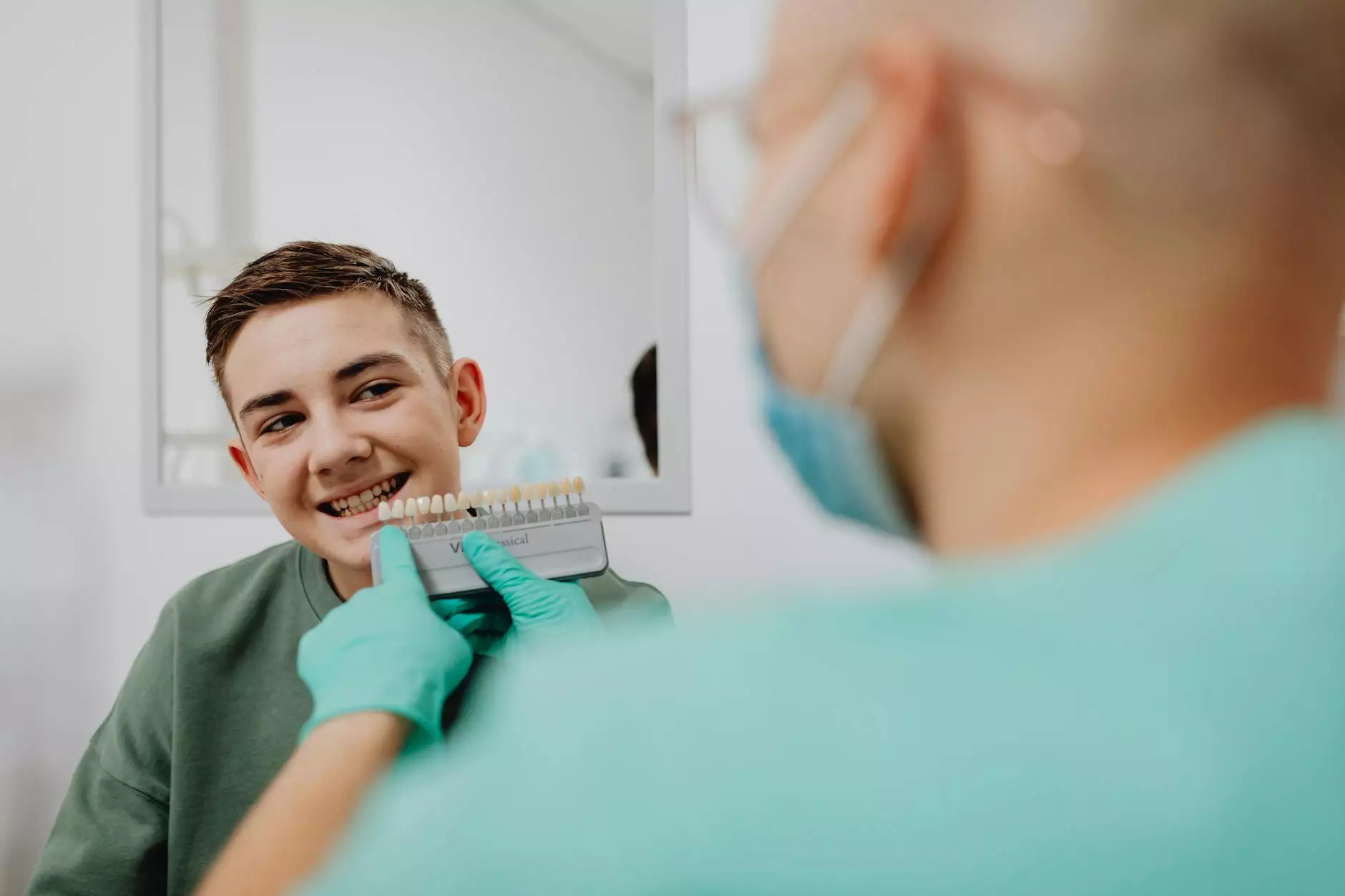
When it comes to restoring damaged or aesthetically compromised teeth, dental crowns are an exceptional solution. Among the various materials available, ceramic crowns and zirconia crowns stand out as the most popular and trusted options. Both offer excellent aesthetics, durability, and biocompatibility, but understanding their differences is crucial for making the best choice tailored to your needs.
Understanding the Basics: What Are Ceramic and Zirconia Crowns?
Before diving into the ceramic crown vs zirconia crown comparison, it’s important to understand what each entails:
- Ceramic Crowns: These are made from porcelain-based materials designed to mimic the translucency and color of natural teeth. Traditional ceramic crowns are favored for their superior esthetic qualities, especially in the anterior (front) teeth.
- Zirconia Crowns: Constructed from zirconium dioxide, zirconia crowns are a type of all-ceramic restoration featuring exceptional strength. They are engineered to combine excellent esthetics with high durability, making them suitable for both front and back teeth.
Comparative Analysis: Ceramic Crown vs Zirconia Crown
1. Aesthetic Excellence and Natural Appearance
Both ceramic and zirconia crowns excel in mimicking the natural look of teeth, but there are subtle differences:
- Ceramic crowns offer outstanding translucency, translucence, and color matching with adjacent teeth. They are often regarded as the most aesthetically pleasing option, making them ideal for visible front teeth.
- Zirconia crowns have improved significantly in esthetic qualities over the years, especially the newer monolithic zirconia types that feature enhanced translucency. While some still note a slightly less translucent appearance compared to porcelain, advances have narrowed this gap considerably.
In summary: If ultimate translucency and the most natural appearance are priorities, ceramic crowns are often preferred. However, high-quality zirconia crowns are also an excellent aesthetic choice, especially when combined with staining or layering techniques.
2. Strength and Durability
Durability is a critical factor in choosing material for dental crowns, especially for molars and patients with bruxism or teeth grinding:
- Ceramic crowns, particularly older versions, tend to be more brittle and susceptible to chipping or cracking under heavy biting forces. They are suitable for front teeth where less pressure is exerted.
- Zirconia crowns are renowned for their exceptional strength. They possess high fracture toughness and resistance to chipping, making them ideal for replacing molars or in patients with heavy bite forces.
Key takeaway: Zirconia crowns are generally more durable than traditional ceramic crowns, especially in areas of high masticatory load.
3. Biocompatibility and Comfort
Both materials are considered safe and biocompatible, but some nuances exist:
- Ceramic crowns are well-tolerated by almost all patients, with minimal risk of allergic reactions.
- Zirconia crowns are exceptionally biocompatible and less likely to cause gum irritation, thanks to their smooth surface and inert nature.
Overall, both options are excellent choices concerning patient comfort and health.
4. Cost Considerations
The pricing of dental crowns is influenced by material, laboratory work, and complexity of the case:
- Ceramic crowns generally tend to be less expensive than zirconia crowns, making them a budget-friendly option for many patients.
- Zirconia crowns cost more owing to the advanced manufacturing process and material costs, but they offer significant benefits in strength and longevity.
Patients should consult with their dentist at Chiswick Park Dental to determine the best balance between cost and specifications.
5. Suitability for Different Dental Situations
The choice between ceramic crown vs zirconia crown depends heavily on the specific clinical scenario:
- Ceramic crowns: Ideal for restoring front teeth, where aesthetics trump load-bearing concerns.
- Zirconia crowns: Suitable for molars, large fillings, or cases requiring increased durability, including patients with bruxism.
Advances and Innovations in Crown Materials
The field of dental restorations is continuously evolving, with breakthroughs such as multilayered zirconia, enhanced translucency ceramics, and CAD/CAM technology revolutionizing outcomes. For example:
- Monolithic zirconia is now gaining popularity due to its strength and improved esthetics.
- Layered porcelain on zirconia frameworks combines firing-glass ceramics with zirconia cores, achieving superior translucency and natural appearance.
Patients should discuss these options with their cosmetic or restorative dentist to select the most suitable material for their needs.
Maintenance and Longevity: How to Maximize the Lifespan of Your Crowns
Regardless of material, proper oral hygiene and regular dental check-ups are vital in extending the lifespan of crowns:
- Practice diligent brushing, flossing, and use of fluoride rinses.
- Avoid biting on hard objects like ice or pen caps.
- Attend routine dental examinations for professional cleaning and assessment of crown integrity.
- Address any issues such as wear or chipping promptly to prevent further damage.
Choosing the Right Dental Practice for Ceramic and Zirconia Crowns
When considering a ceramic crown vs zirconia crown, selecting an experienced dental provider is paramount. Chiswick Park Dental offers advanced restorative solutions with an emphasis on personalized care and state-of-the-art technology.
Expert guidance ensures that the selected material matches your aesthetic expectations, functional requirements, and budget constraints, ultimately leading to a natural, long-lasting smile.
The Bottom Line: Making an Informed Decision
Choosing between ceramic crown and zirconia crown depends on various factors including aesthetic demands, functional needs, budget, and the location of the tooth. Both materials have their unique advantages:
- Ceramic crowns excel in cosmetic appeal for front teeth where appearance is the primary concern.
- Zirconia crowns are superior in strength and longevity, making them suitable for posterior restorations and high-stress scenarios.
Consulting with a qualified dentist at Chiswick Park Dental will ensure you receive tailored recommendations that optimize both the aesthetic and functional outcomes of your dental restoration.
Final Thoughts: Achieving a Healthy and Beautiful Smile
Investing in high-quality crowns is an investment in your overall dental health and confidence. Modern materials like ceramic and zirconia offer unmatched options for restoring your teeth with natural beauty and durability. By understanding the nuances of ceramic crown vs zirconia crown, you are empowered to make the best decision for your unique dental situation.
Ensure regular dental visits, maintain excellent oral hygiene, and work with experienced dental professionals to keep your smile radiant and healthy for years to come.


