Unlocking Business Success: Mastering the Art of Navigating Fake Certificate Making and Legal Boundaries
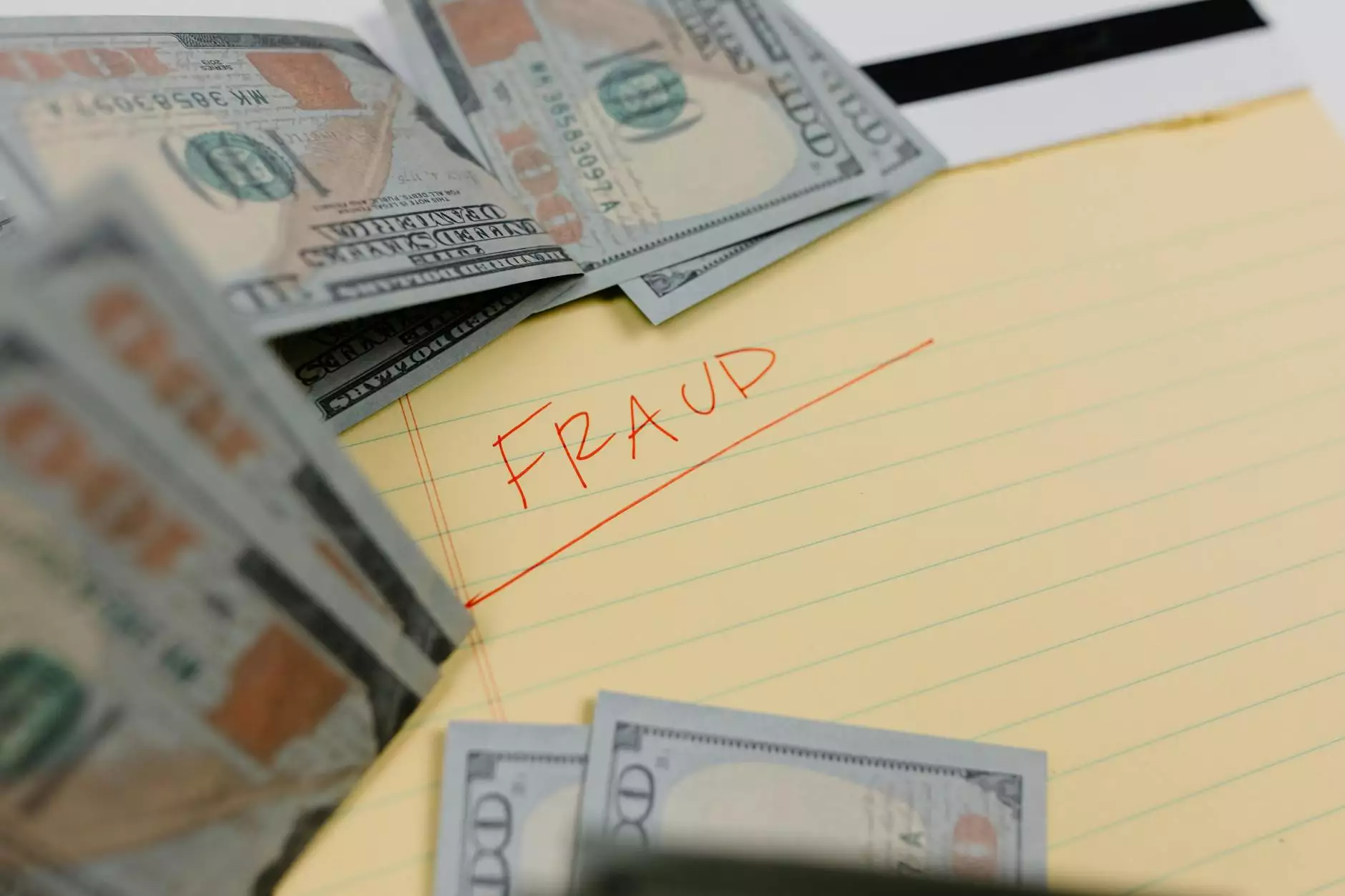
The modern marketplace offers a vast array of opportunities for entrepreneurs and established business entities alike. Among these, the sectors of Shopping and Legal Services stand out for their significant growth potential and diverse consumer needs. However, navigating these lucrative avenues requires a clear understanding of both legitimate practices and the ethical boundaries that govern them. In particular, one of the contentious topics in this realm is fake certificate making. While often associated with illicit activities, understanding the motives, risks, and legal ramifications associated with "fake certificate making" is essential for anyone interested in this complex business area.
Understanding the Business Landscape in Shopping and Legal Services
Opportunities Within the Shopping Sector
The Shopping industry has witnessed unparalleled growth, driven by technological advancements, e-commerce proliferation, and shifting consumer preferences. From online marketplaces to brick-and-mortar stores, this sector offers pathways to success through innovative product offerings, exceptional customer service, and effective marketing strategies.
- Online Retail Platforms: Building a robust e-commerce presence to reach global customers.
- Specialty Stores: Catering to niche markets such as organic products, luxury items, or collectible goods.
- Drop Shipping and Affiliate Marketing: Minimizing inventory costs while maximizing sales channels.
- Personalized Shopping Experiences: Leveraging data analytics and AI to provide tailored customer recommendations.
Growth in Legal Services and Its Business Implications
The demand for legal services continues to grow, especially amid complex regulatory environments and increasing legal compliance requirements for businesses. Legal service providers now offer niche solutions spanning corporate law, intellectual property, compliance consulting, and dispute resolution. Businesses that understand the legal framework well can capitalize on these needs, providing high-quality, ethical, and reliable legal assistance.
The Controversial Role of Fake Certificate Making in Business
What Is Fake Certificate Making? An Overview
Fake certificate making refers to the illicit or unethical process of creating counterfeit documents that falsely represent qualifications, credentials, or legal approvals. This practice can encompass various documents, including diplomas, licenses, permits, and certificates of all kinds. While some may perceive this activity as a shortcut to gaining certain advantages, it is important to understand the grave legal and moral implications associated with such actions.
Legitimate vs. Illicit Aspects of Certificate Production
The production of certificates can be entirely legitimate—such as certified copies, official records, or authorized memorabilia. Conversely, fake certificate making crosses ethical and legal boundaries, often violating copyright laws, intellectual property rights, and state or federal statutes related to forgery and fraud. Engaging in such activities can result in severe penalties, including fines, imprisonment, and irreversible damage to one's reputation.
Risks and Consequences of Involvement in Fake Certificate Making
Operating within the sphere of fake certificate making entails significant risks:
- Legal Penalties: Criminal charges for forgery, fraud, and counterfeiting, which can lead to hefty fines or imprisonment.
- Reputational Damage: Loss of trust from clients, partners, and regulatory bodies.
- Financial Losses: Lawsuits, confiscation of counterfeit goods, and business shutdowns.
- Ethical Concerns: Undermining the integrity of legitimate certification and accreditation processes.
Building a Legitimate Business in the Legal Service Sector
For those interested in the legal services industry, focusing on lawful operations offers a sustainable and reputation-enhancing path. Establishing expertise in areas such as document authentication, legal consulting, and compliance certification can serve as safe, lucrative avenues. Developing connections with authentic certification authorities and adhering strictly to legal standards will foster trust and long-term growth.
How to Differentiate Your Legal Services Business
- Offering comprehensive and transparent legal consultancy.
- Providing verified document processing and authentication services.
- Ensuring strict adherence to local and international legal standards.
- Building strong relationships with accredited certification bodies and authorities.
- Using technology for secure, fast, and accurate document verification processes.
Opportunities in Shopping and Legal Services for Ethical Entrepreneurs
Ethical entrepreneurs aiming to succeed in shopping and legal services sectors should focus on innovation, transparency, and compliance. These elements are the foundation of a reputable business that can thrive long-term and outrank competitors who may attempt unethical shortcuts such as "fake certificate making."
Legal Compliance and Ethical Business Practices
Maintaining strict compliance with all applicable laws is crucial. This not only prevents legal penalties but also enhances brand credibility. Certification processes, licensing, and documentation should always be obtained and verified through legitimate channels, demonstrating integrity and professionalism.
Leveraging Technology for Business Growth
Innovations such as blockchain, AI, and secure online verification systems can streamline operations, enhance trustworthiness, and provide unique value propositions. For example, blockchain-based certification storage ensures tamper-proof records, dissuading dishonest practices like fake certificate making.
How to Outrank Competitors and Achieve SEO Success in This Niche
To outrank competitors in search engine rankings, especially for critical keywords like "fake certificate making," focus on the following strategies:
- Produce High-Quality, Comprehensive Content: Develop detailed articles, guides, and resources that thoroughly address related topics and common concerns.
- Optimize for Keyword Density and Relevance: Use your target keywords naturally throughout your content, including headings, meta descriptions, and image alt text.
- Build Credible backlinks: Get references from reputable sites, legal directories, and industry-specific platforms.
- Maintain Website Authority and Trust: Ensure your website is secure, fast, and user-friendly, with clear contact and about pages.
- Address User Intent Clearly: Answer common questions about certificate authenticity, legal implications, and ethical business practices.
Conclusion: Turning Ethical Challenges into Business Opportunities
While the temptation to engage in activities like "fake certificate making" might seem lucrative in the short term, the long-term consequences outweigh any immediate gains. Building a legitimate, compliant, and ethical business platform within Shopping and Legal Services sectors ensures sustainable success and trustworthiness. By focusing on innovation, adherence to legal standards, and delivering genuine value, your business can carve out a prominent position in the market, outranking less reputable competitors and establishing a reputation rooted in integrity.
For entrepreneurs ready to explore authentic business opportunities, emphasis should always remain on transparency, legality, and ethical practices. This strategy not only fosters customer loyalty and brand strength but also contributes positively to the broader marketplace.